The cat this site is named for
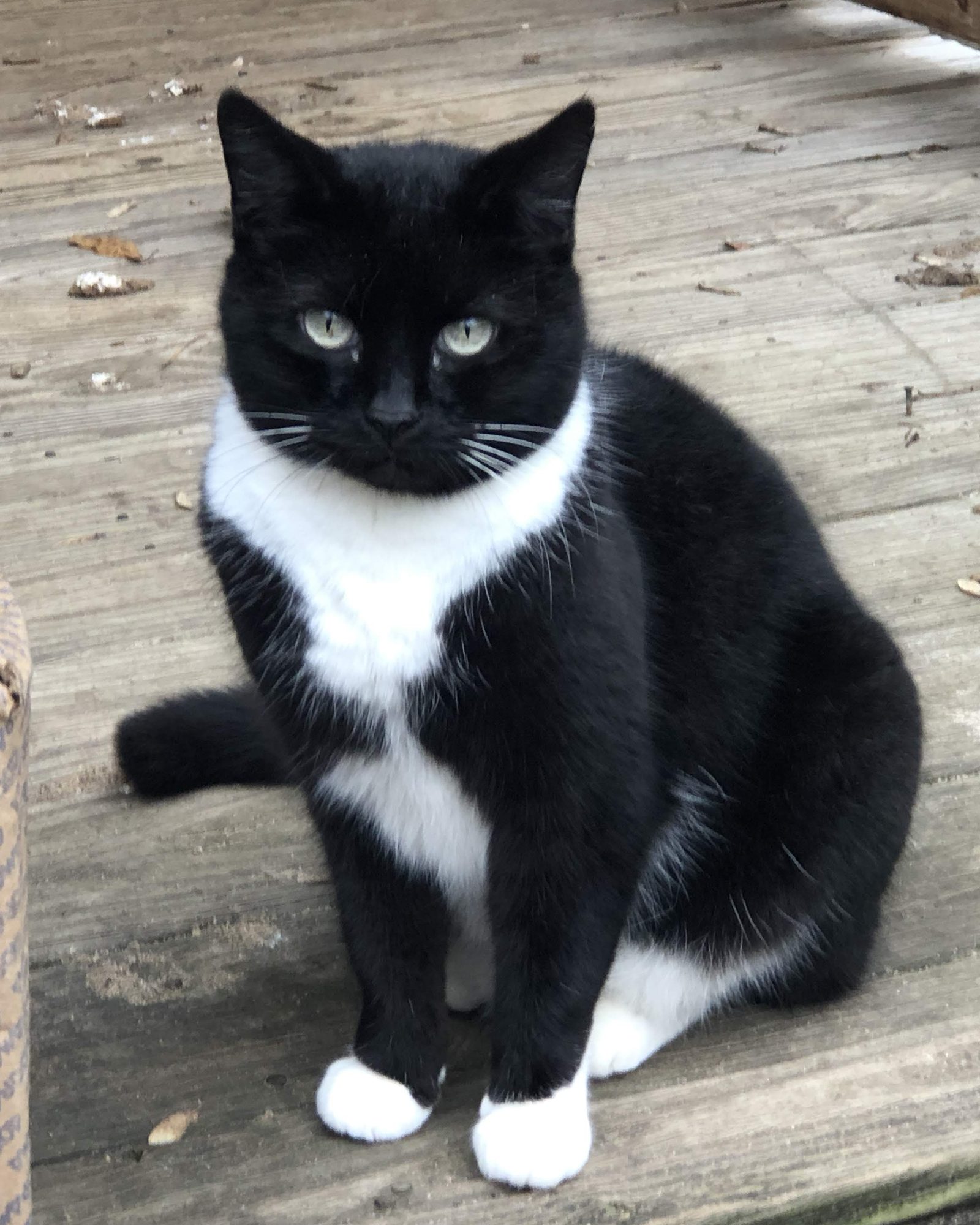
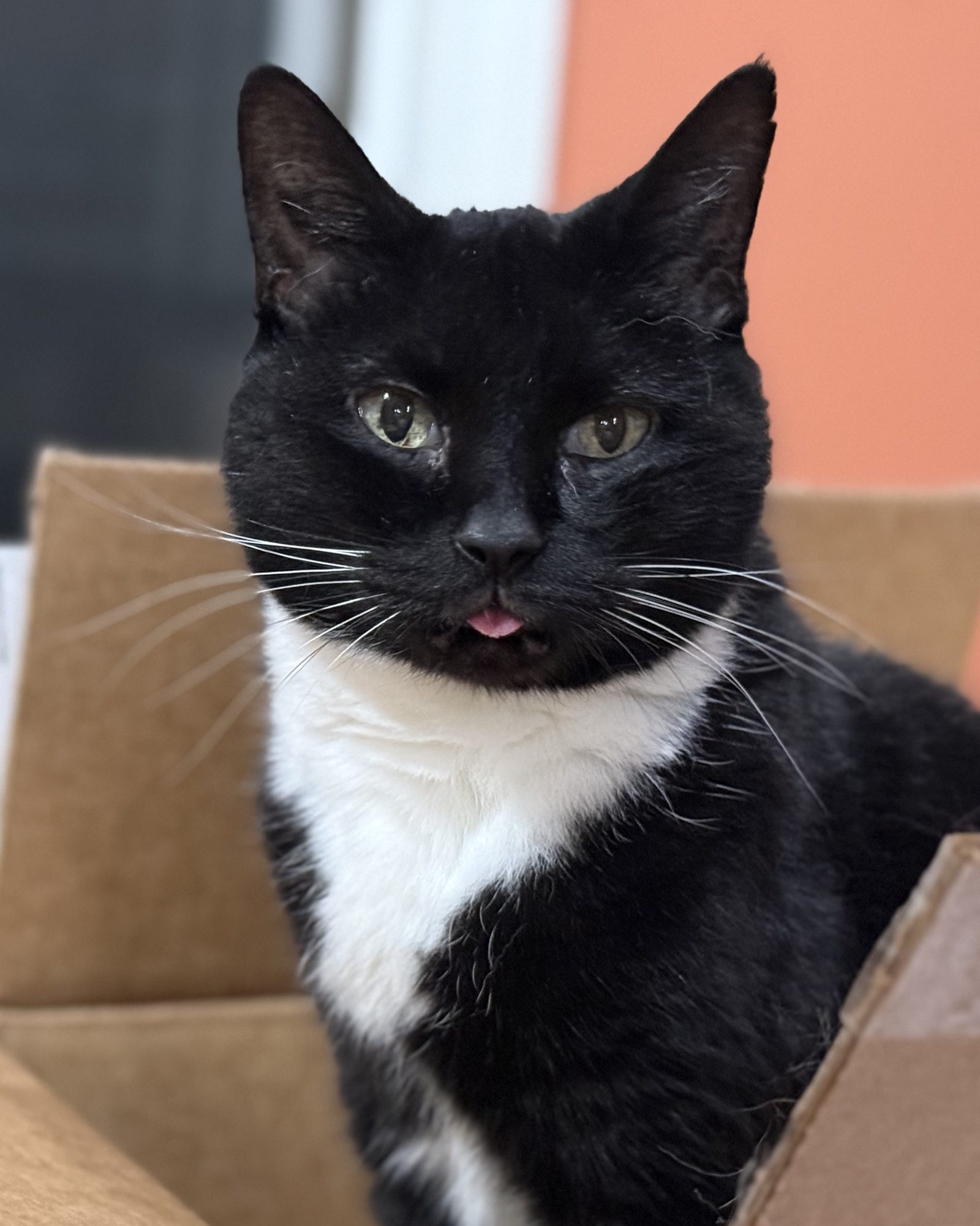
Lila
Seventeen years old. Descended from a feral cat on this island. Spent fifteen of those years making it clear that our presence was tolerated rather than welcomed, and has recently, grudgingly, changed her mind.
A short and unsentimental biography
We got her as a kitten. From the beginning she had the bearing of someone reviewing an application she intends to reject — an air of having seen the paperwork before and found it wanting. She has never been effusive. She has never once come when called in a way that could be mistaken for enthusiasm.
She did not care for the other animals, and made no secret of it. The exception was Archie — a mostly white cat, black in patches, and the precise opposite of her in every respect including color. He was her only real friend for years. He died a couple of years ago. She noticed. Cats are supposed not to, and she did.
And then, around sixteen, something shifted. She started getting into laps in the evening. Not sentimentally — there is still an unmistakable sense of a decision being made each time, and of the decision being revocable. But she does it, most nights, and after fifteen years of being politely declined it is the single most flattering thing that has happened to either of us.
That is why the site is in her voice. A guide written by someone genuinely delighted by everything is not much use to anyone. A guide written by a creature who has to be convinced is worth more.
Her side of the family
The cats of Tybee Island
Lila's ancestry runs back to a feral cat on Tybee. That lineage is not unusual here. Barrier islands with a working waterfront, a fishing fleet and a century of seasonal residents tend to accumulate cats, and Tybee has all three. Free-roaming and community cats have been part of the island's texture for a very long time, and — like everywhere — they have also been a genuine point of disagreement among the people who live with them.
The honest version is that outdoor cats are both beloved and a real problem for shorebirds, which on a nesting beach is not an abstract concern. The approach that most of the coast has landed on is trap-neuter-return: stabilize the colonies, stop the growth, let the existing cats live out their lives under care. It works slowly and it depends entirely on volunteers.
If you see a cat on Tybee
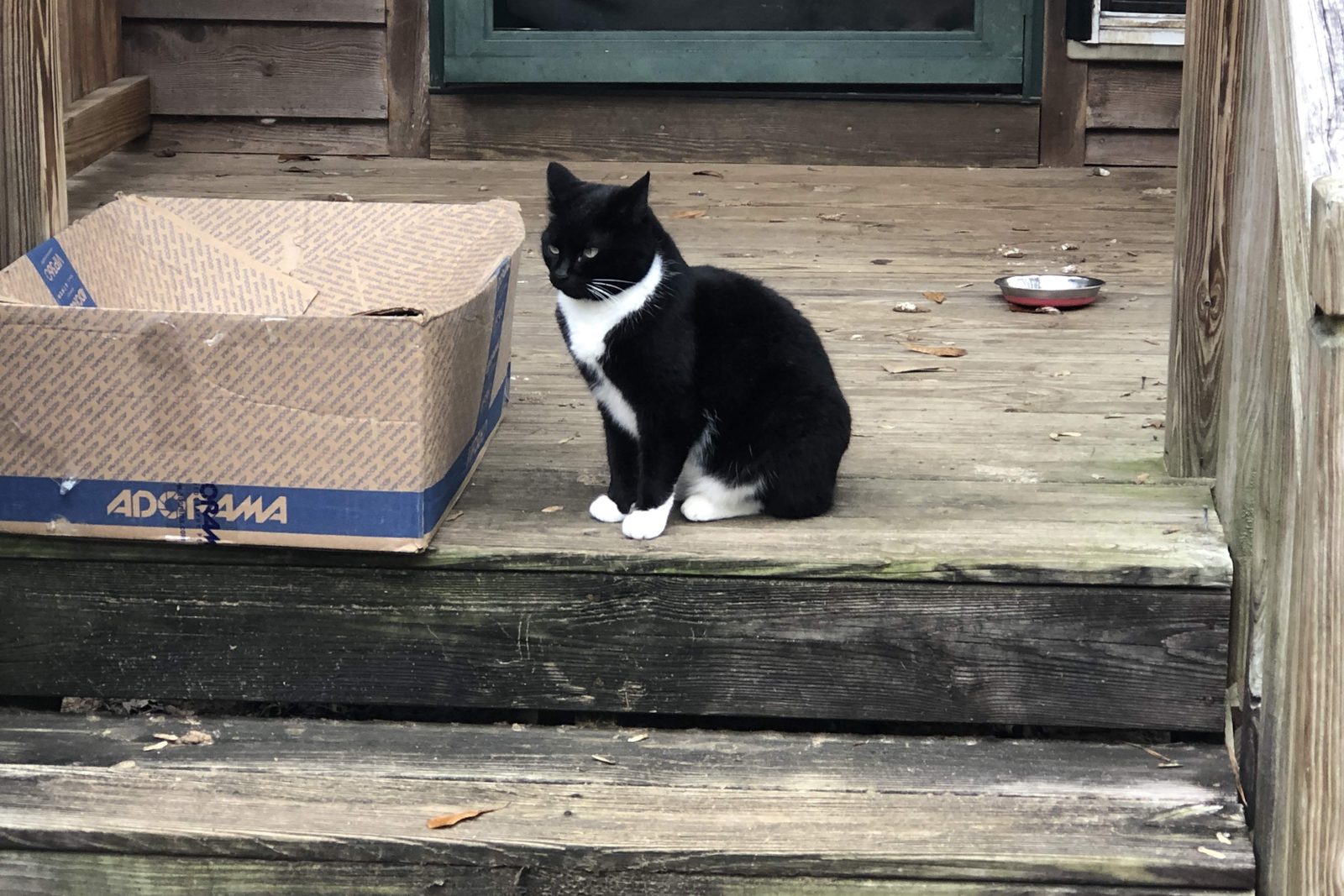
Leave it be. A tipped ear — a small clipped notch on the left ear — means it has already been trapped, neutered and returned, and it belongs to a managed colony that someone is feeding on a schedule. Do not feed it, do not relocate it, and do not put it in your car. If it looks sick or injured, call the city rather than intervening yourself.
And the other reason
She has never been to Tybee.
Let us be completely straight with you: Lila is seventeen, lives inland, and has no intention of getting into a car. Her great-grandmother made the trip. Lila supervises from a chair. We thought you should know that before you took her recommendations.